2026-11-05 ·
Mold After Water Damage: How Fast Does It Grow?
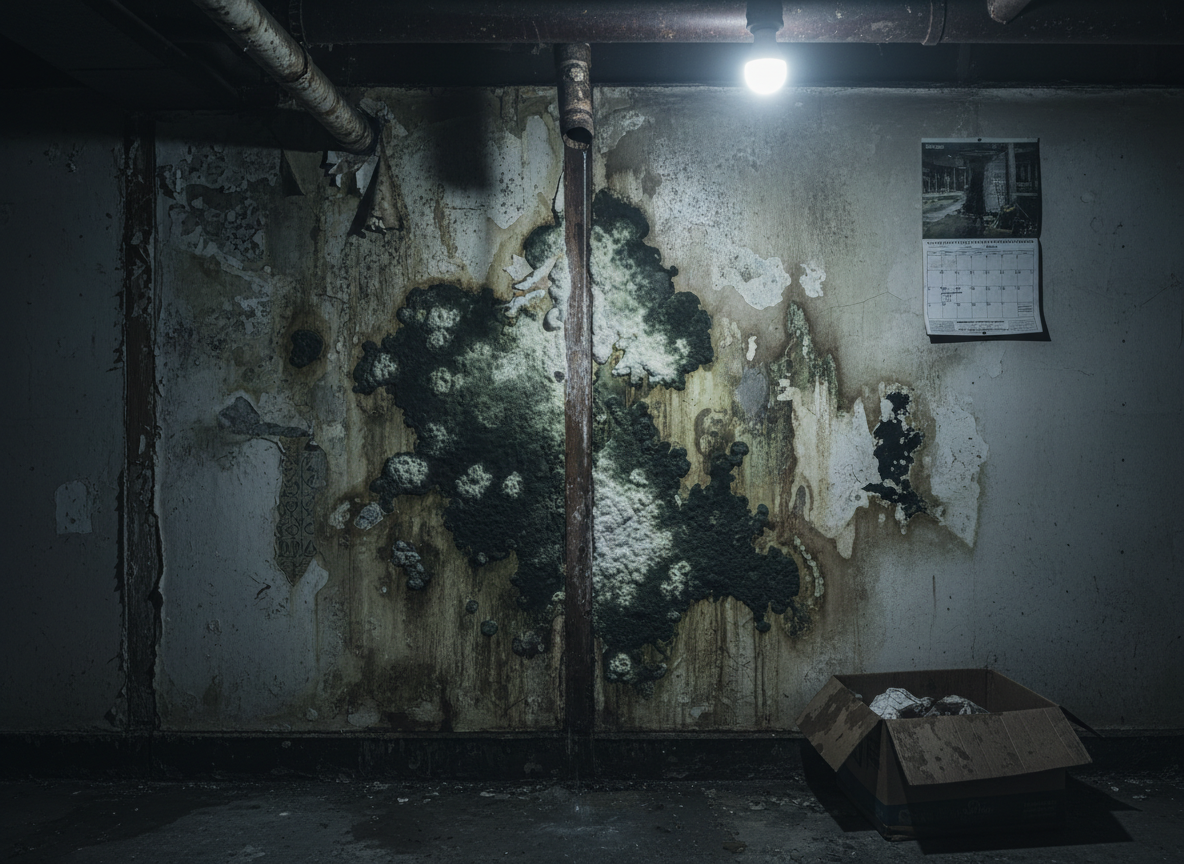
Mold after water damage begins growing in 24-48 hours once moisture levels stay above 60 percent in porous materials. In Atlanta, Michigan homes this window holds true across older ranch and cabin-style houses common in Montmorency County, where seasonal shifts create repeated moisture events.
Growth Timeline in Northern Michigan Conditions
Water intrusion from snowmelt or pipe failures leaves drywall and insulation damp for days in Atlanta Township. Once relative humidity climbs during warm summer stretches, spores on cellulose surfaces activate within the first day. By day three visible colonies often appear on baseboards in basements near Lewiston. Cold winters slow surface growth but trap moisture behind walls until spring thaw releases it. Homeowners in Briley Township report faster visible mold on particleboard subfloors after August storms compared with drier southern Michigan counties.
Local Housing Stock and Moisture Retention
Many Atlanta and Gaylord area homes built before 1980 use unsealed crawl spaces and older fiberglass batts that hold water longer than modern materials. When flood cleanup follows a burst pipe, these cavities stay wet past the 48-hour mark without extraction. The county's sandy soils drain slowly in low-lying spots near Lake Fifteen, extending drying times. This combination means mold risk rises sharply if standing water sits more than one day in finished basements common along M-32 corridors.
Climate Patterns That Shorten the Safe Window
Montmorency County's humid continental climate brings 30-40 inches of annual snow followed by rapid April melt that saturates foundations. Warm July humidity then pushes indoor moisture above thresholds for spore activation. After such events, mold remediation crews often find growth behind cabinets within 72 hours. The same pattern repeats after summer thunderstorms that dump two inches of rain in an hour on older roofs in Hillman.
Practical Monitoring After Water Events
Check for musty odors within 36 hours in any room that received water from flood cleanup. Lift carpet edges and inspect behind appliances in Atlanta Township homes where leaks travel under flooring. Use a moisture meter on drywall; readings above 15 percent after two days signal active risk. Link early detection to preventing frozen pipes in northern Michigan winters because spring thaw often follows the same pipe failures.
When to Move from Extraction to Remediation
If visible growth appears before full drying, switch to targeted removal rather than continued extraction alone. In Lewiston properties, crews frequently cut out wet insulation within 72 hours to stop spread into adjacent rooms. Pair this with water damage restoration protocols that include negative air machines to keep spores from migrating through HVAC systems common in county homes. Delaying past five days allows colonies to root into subflooring, raising the scope of work.
Continuing Care After Initial Response
Monitor humidity with a digital gauge for two weeks after any event, keeping levels below 55 percent. In Alpena-adjacent townships, dehumidifiers run longer during August because outdoor dew points stay high. Follow up with the guidance in what to do when your basement floods after snowmelt to address recurring sources before the next seasonal cycle begins.